
NEW GENERATION 100% ECOLOGICAL CLEAN DRINKING WATER TANKS
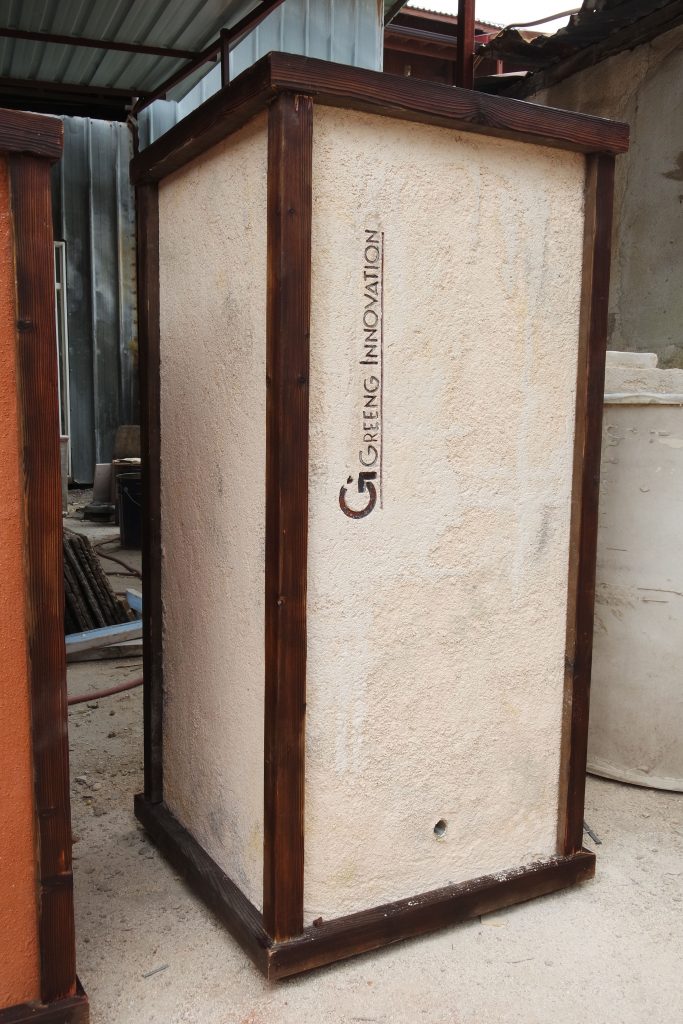


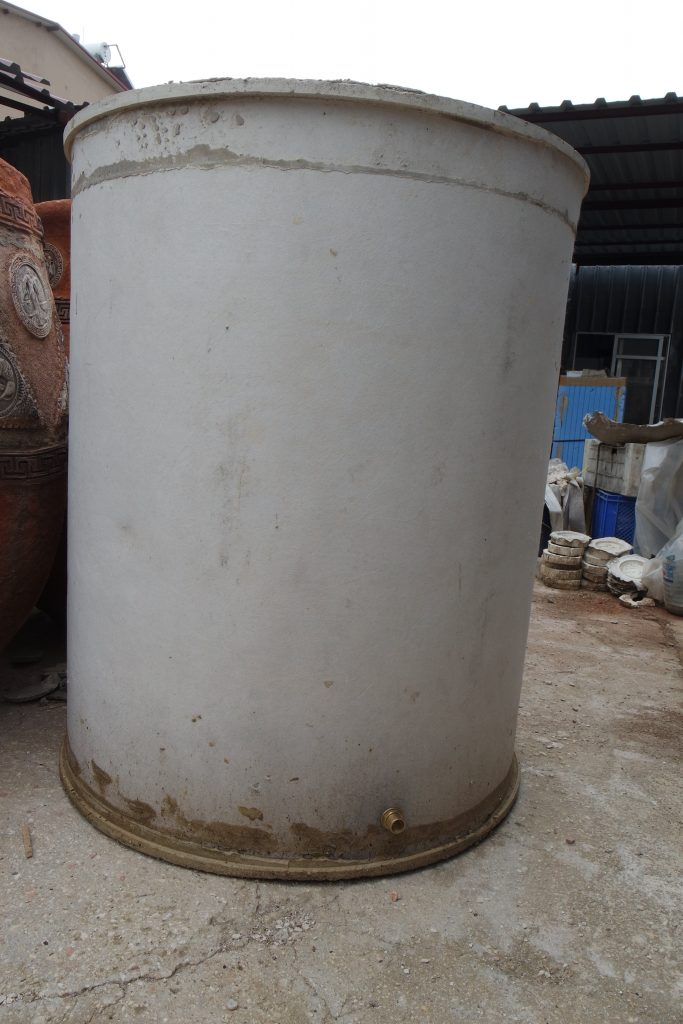
100% NATURAL AND SUSTAINABLE, VERY LIGHT AND DURABLE DRINKING WATER TANKS, FOOD PROCESSING, FERMENTATION AND STORAGE TANKS, UNDERGROUND WASTEWATER – CLEAN DRINKING WATER STORAGE SYSTEMS
You are no longer confined to water tanks made of plastic, polyester or expensive stainless metal with a high carbon footprint, and food products prepared in them. Or you don’t have to bear the high costs of stainless steel for healthy food and beverages.
We are revolutionizing this field with the materials and production techniques we develop.
Your food and beverages no longer have to be ripened or prepared in plastic or polyester tanks or warehouses.
You now have a new sustainable alternative that is at least as healthy as stainless steel, much more economical than stainless steel, and has a lower carbon footprint.
Four main methods are used in the production of water tanks and food processing, fermentation and brine tanks on a global scale.
1- Plastic Water Tanks
It is the cheapest, most widely produced and preferred group. Its plus features are that it is cheap, easy to carry, not affected by small impacts, and flexible.
Short lifespan, formation of algae, bacteria and odor in stored water, inability to withstand hard impacts, deformation above 55 degrees Celsius, becoming extremely brittle below -5 degrees Celsius, being synthetic and containing components harmful to health, having a high carbon footprint, and not being sustainable. minus features.
2 – Polyester Water Tanks
It is the most economical and common group after plastic water tanks. Its plus features are that it is more durable than plastic tanks, has higher impact resistance, and has a longer lifespan than plastic tanks.
Its disadvantages are that it creates algae, bacteria and odor in the water it stores, that it is synthetic, toxic and contains components harmful to health, that its carbon footprint is very high, and that it is not sustainable.
3 – Water tanks made of stainless steel
The most ideal material used in water tank production is stainless steel. When the necessary maintenance is carried out in the warehouse, it does not create algae, odor or bacteria, and has an almost infinite lifespan when the required material type and thickness is used.
However, since the ideal material and its thickness are very expensive, current production is made from very thin and non-standard materials in order to reduce costs. Therefore, the durability feature of water tanks made of stainless material is eliminated.
Despite all this, it is approximately three times more expensive than plastic and polyester tanks.
4 – Concrete water tanks
Not suitable for domestic and limited needs. Suitable for large-scale requirements. It is a healthy alternative when it is cared for and produced using scientific methods.
Its construction requires a project, technical equipment and detailed work. On-site manufacturing is generally preferred. Even if modular production can be done, it is very heavy, so it can only be realized by businesses with special knowledge and equipment, and it is not a cheap option overall.
COMPONENTS WE USED IN PRODUCTION IN THE SYSTEM WE DEVELOPED AS A NEW ALTERNATIVE
GreCer
Non-porous, Clay + Natural Pozzolan (GreCer)
The building material we have developed is sustainable, has extremely high adhesion strength, has a very low carbon footprint and is 100% ecological, non-porous, very hard, resistant to all kinds of natural conditions, unaffected by water, class A1 fireproof, and has a density of 1600 – 2000 kg/M3.
GrePor
Porous Clay + Natural Pozzolan (GrePor), which has the same properties and is also an insulation material itself.
The porous insulation material we have developed is sustainable, has a very low carbon footprint and is 100% ecological, porous, resistant to all kinds of natural conditions, not affected by water, A1 class fireproof, 80 – 300 kg/M3 density, 0.035 – 0.060 W/mK insulation coefficient.
Fabric Made from Jute Fiber
Jute is a type of fiber produced from Corchorus species. Jute used in trade is obtained from two types of plants: Corchorus capsularis and Corchorus olitorius. These plants reach 2-4 meters tall within a year. Its production is natural, sustainable and 100% ecological.
There is evidence that jute was used in textile production by the Indus Valley Civilization between 2200 and 1900 BC.[1] It started to be grown in China and Malaysia. C. olitorius was also recognized and started to be cultivated in the Mediterranean. It reached America around 1870. It is produced in the states of Texas and South Carolina in America.
Rock Wool Plate
Stone wool building material, which contains volcanic rocks, is a lightweight building material consisting of fibers obtained by melting volcanic rocks at high temperatures. It is used as standard in buildings for insulation purposes and exterior applications. At this point, stone wool, which has a very functional feature in terms of both sound insulation and heat insulation, is frequently preferred because it has an effective potential in insulation, although it has some negative properties.
Recycled Polyester Felt
Polyester fiber felt is a heat and sound insulation material that does not contain chemical additives, by blending the fibers obtained from the recycling of Polyethylene Terephthalate, compressing it with the nonwoven needling method, and bringing it to an applicable thickness.
Physical properties of polyester fiber
Thermal conductivity coefficient (λ) is between 0.032 W/mK and 0.039 W/mK
Sound absorption value 35 decibels
Tensile strength 4.5-5.5 g/denier
Percentage of elongation at break is 15-25%
Specific gravity 1.38 g/cm³
Under normal conditions, the humidity rate is 0.4%
It is resistant to acids, but not to bases.
It is resistant to oxidizing and reducing substances.
It is not affected by moths and harmful insects. Likewise, it is not damaged by microorganisms such as mold and fungus.
Polyester felt alone does not mean anything in the construction materials industry. However, its use is very common in other sectors, especially in the textile industry. It is unnatural, flammable, and when thrown into nature, it continues to exist as a waste that pollutes the environment for hundreds of years. Therefore, it should not be thrown into nature as waste. However, especially when made into felt, polyester fiber has a density of 120 kg/m3, a heat conduction coefficient of 0.034 W/mK, a tensile strength of 4.5-5.5 g/denier, an elongation at break of 15-25%, and a sound absorption coefficient of 35 decibels. It turns into a material that can be easily produced in desired thicknesses and has very superior physical values. Moreover, the raw material used is recycled, meaning that it is prevented from being released into nature as waste. In this way, we prevent these wastes from being released into nature and hide them in the walls, floors and ceilings of a building throughout its life, in a way that is “very functional” and provides “energy saving throughout the life of the building”…
The contribution of such use to the protection of nature and ecosystem should not be underestimated.
Fiber Cement Board
Cemented chipboard according to TS EN 633; It is defined as a plate produced under pressure, consisting of wood and other plant fragments, which may contain additives and is bonded with hydraulic cement. In an other saying; They are cellulose fiber reinforced cement based boards with superior properties that can be used on all types of surfaces of buildings. It has no harm to health or the environment, does not produce bacteria, and is a sustainable, durable, long-lasting material with a relatively low carbon footprint.
XPS Insulation Plate
It is a polystyrene-based insulation material of synthetic origin, extraordinarily light, and with very high thermal insulation values. They are thermoplastic materials with a homogeneous cell structure. Its main material is polystyrene, and cell forming, flame retardant, paint and environmentally friendly gases are used in its formation.
100% ecological clean drinking water tanks produced using only GreCer + Jute Fiber Fabric
The production method is a production method applied in layers, just like the CTP (glass reinforced polyester or synthetic resin + glass fiber application applied in layers) technique. The only difference is that instead of synthetic resins in the production stages, fabrics of various technical specifications made of clay and geopolymer origin, which we call GreCer, and Jute fiber, are used in the production stages.
It can be produced in the desired volume and in the desired form, vertical or horizontal.
For detailed application and material details, please click the link below.
https://greenginnovation.com/wp-content/uploads/2021/05/POL-TUR-PDF.pdf
Production story of 100% ecological clean drinking water tanks produced only by GreCer + Jute Fiber Fabric


100% ecological, double-layer, heat-insulated clean drinking water tanks produced using only GreCer + GrePor + Jute Fiber Fabric
The production method is a production method applied in layers, just like the CTP (glass reinforced polyester or synthetic resin + glass fiber application applied in layers) technique. The only difference is that instead of synthetic resins in the production stages, a 100% ecological and sustainable raw material of clay and geopolymer origin, which we call GreCer, developed by our company, is used for heat insulation, the porous form of the GreCer material developed by our company, which we call GrePor, and fabrics of various technical specifications produced from Jute fiber are used in the production stages. . Thanks to its thermal insulation, it keeps the temperature of the liquid stored in the tank stable for at least a day, even in extreme weather conditions. When necessary, constant temperature conditions can be achieved by adding a heater or cooler and thermostatic control.
Thanks to the heat resistance of the materials used, it has a usage range from very low temperatures (for example -40 degrees Celsius) to very high temperatures (+300-350 degrees Celsius).
It can be produced in the desired volume and in the desired form, vertical or horizontal.
For detailed application and material details, please click the link below.
https://greenginnovation.com/wp-content/uploads/2021/05/POL-TUR-PDF.pdf
Clean drinking water tanks produced using GreCer + Recycled Polyester Fiber
The production method is a production method applied in layers, just like the CTP (glass reinforced polyester or synthetic resin + glass fiber application applied in layers) technique. The only difference is that instead of synthetic resins in the production stages, fabrics of various technical specifications made of clay and geopolymer origin, a 100% ecological and sustainable raw material we call GreCer, and recycled polyester fiber developed by our company are used.
It can be produced in the desired volume and in the desired form, vertical or horizontal.
For detailed application and material details, please click the link below.
https://greenginnovation.com/wp-content/uploads/2021/05/POL-TUR-PDF.pdf
Production story of 100% ecological clean drinking water tanks produced using only GreCer+ recycled polyester fiber fabric


Double-layer, thermally insulated clean drinking water tanks produced using GreCer + GrePor + Recycled Polyester Fiber
The production method is a production method applied in layers, just like the CTP (glass reinforced polyester or synthetic resin + glass fiber application applied in layers) technique. The only difference is that instead of using synthetic resins in the production stages, a 100% ecological and sustainable raw material of clay and geopolymer origin, which we call GreCer, developed by our company, is used in the porous form of the GreCer material developed by our company for heat insulation, which we call GrePor, and fabrics of various technical specifications produced from recycled polyester fiber. is that it is used. Thanks to its thermal insulation, it keeps the temperature of the liquid stored in the tank stable for at least a day, even in extreme weather conditions. When necessary, constant temperature conditions can be achieved by adding a heater or cooler and thermostatic control.
Thanks to the heat resistance of the materials used, it has a usage range from very low temperatures (for example -40 degrees Celsius) to very high temperatures (+300-350 degrees Celsius).
It can be produced in the desired volume and in the desired form, vertical or horizontal.
For detailed application and material details, please click the link below.
https://greenginnovation.com/wp-content/uploads/2021/05/POL-TUR-PDF.pdf
Production story of 100% ecological clean drinking water tanks produced using only GreCer + GrePor + Recycled polyester fiber fabric


Double-layer, heat-insulated clean drinking water tanks produced using GreCer + Rock Wool Plate + Recycled Polyester Fiber
The production method is a production method applied in layers, just like the CTP (glass reinforced polyester or synthetic resin + glass fiber application applied in layers) technique. The only difference is that instead of synthetic resins in the production stages, a 100% ecological and sustainable raw material of clay and geopolymer origin, which we call GreCer, developed by our company, rock wool plate for heat insulation and fabrics of various technical specifications made of recycled polyester fiber are used. Thanks to its thermal insulation, it keeps the temperature of the liquid stored in the tank stable for at least a day, even in extreme weather conditions. When necessary, constant temperature conditions can be achieved by adding a heater or cooler and thermostatic control.
Thanks to the heat resistance of the materials used, it has a usage range from very low temperatures (for example -40 degrees Celsius) to very high temperatures (+200 – 250 degrees Celsius).
It can be produced in the desired volume and in the desired form, vertical or horizontal.
For detailed application and material details, please click the link below.
https://greenginnovation.com/wp-content/uploads/2021/05/POL-TUR-PDF.pdf
Double-layer, thermally insulated clean drinking water tanks produced using GreCer + Recycled Polyester Fiber + XPS Insulation Plate
The production method is a production method applied in layers, just like the CTP (glass reinforced polyester or synthetic resin + glass fiber application applied in layers) technique. The only difference is that instead of synthetic resins in the production stages, a 100% ecological and sustainable raw material of clay and geopolymer origin, which we call GreCer, developed by our company, XPS insulation plate for heat insulation and fabrics of various technical specifications made of recycled polyester fiber are used. Thanks to its thermal insulation, it keeps the temperature of the liquid stored in the tank stable for at least a day, even in extreme weather conditions. When necessary, constant temperature conditions can be achieved by adding a heater or cooler and thermostatic control.
Thanks to the heat resistance of the materials used, it has a usage range from very low temperatures (for example -40 degrees Celsius) to high temperatures (+70 degrees Celsius).
It can be produced in the desired volume and in the desired form, vertical or horizontal.
For detailed application and material details, please click the link below.
https://greenginnovation.com/wp-content/uploads/2021/05/POL-TUR-PDF.pdf
Production story of 100% ecological and thermally flexible clean drinking water tanks made of GreCer + XPS + recycled polyester fiber fabric


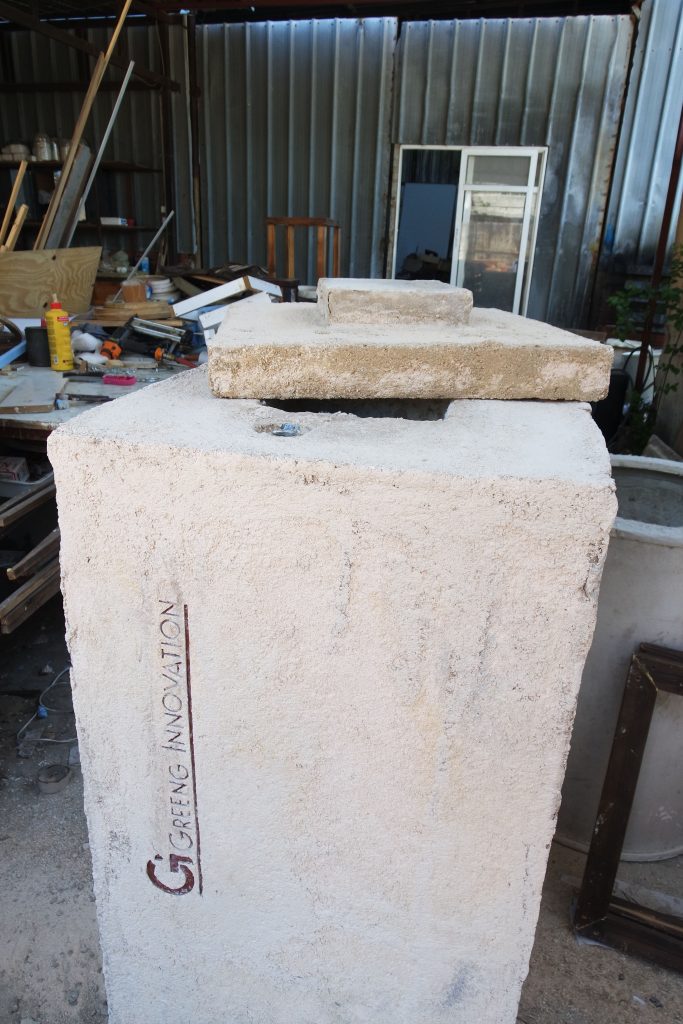


100% ecological, food preparation, fermentation and brine tanks produced using only GreCer + Jute Fiber Fabric
The production method is a production method applied in layers, just like the CTP (glass reinforced polyester or synthetic resin + glass fiber application applied in layers) technique. The only difference is that instead of synthetic resins in the production stages, fabrics of various technical specifications made of clay and geopolymer origin, which we call GreCer, and Jute fiber, are used in the production stages.
It can be produced in the desired volume and in the desired form, vertical or horizontal.
For detailed application and material details, please click the link below.
https://greenginnovation.com/wp-content/uploads/2021/05/POL-TUR-PDF.pdf
100% ecological, double-layer, heat-insulated food preparation, fermentation and brine tanks produced using only GreCer + GrePor + Jute Fiber Fabric
The production method is a production method applied in layers, just like the CTP (glass reinforced polyester or synthetic resin + glass fiber application applied in layers) technique. The only difference is that instead of synthetic resins in the production stages, a 100% ecological and sustainable raw material of clay and geopolymer origin, which we call GreCer, developed by our company, is used for heat insulation, the porous form of the GreCer material developed by our company, which we call GrePor, and fabrics of various technical specifications produced from Jute fiber are used in the production stages. . Thanks to its thermal insulation, it keeps the temperature of the liquid stored in the tank stable for at least a day, even in extreme weather conditions. When necessary, constant temperature conditions can be achieved by adding a heater or cooler and thermostatic control.
Thanks to the heat resistance of the materials used, it has a usage range from very low temperatures (for example -40 degrees Celsius) to very high temperatures (+300-350 degrees Celsius).
It can be produced in the desired volume and in the desired form, vertical or horizontal.
For detailed application and material details, please click the link below.
https://greenginnovation.com/wp-content/uploads/2021/05/POL-TUR-PDF.pdf
Food preparation, fermentation and brine tanks manufactured using GreCer + Recycled Polyester Fiber
The production method is a production method applied in layers, just like the CTP (glass reinforced polyester or synthetic resin + glass fiber application applied in layers) technique. The only difference is that instead of synthetic resins in the production stages, fabrics of various technical specifications made of clay and geopolymer origin, a 100% ecological and sustainable raw material we call GreCer, and recycled polyester fiber developed by our company are used.
Thanks to the heat resistance of the materials used, it has a usage range from very low temperatures (for example -40 degrees Celsius) to very high temperatures (+200-250 degrees Celsius).
It can be produced in the desired volume and in the desired form, vertical or horizontal.
For detailed application and material details, please click the link below.
https://greenginnovation.com/wp-content/uploads/2021/05/POL-TUR-PDF.pdf
100% ecological Original GreCer + Made from recycled polyester fiber fabric Production story for food processing, fermentation, storage or clean drinking water tanks


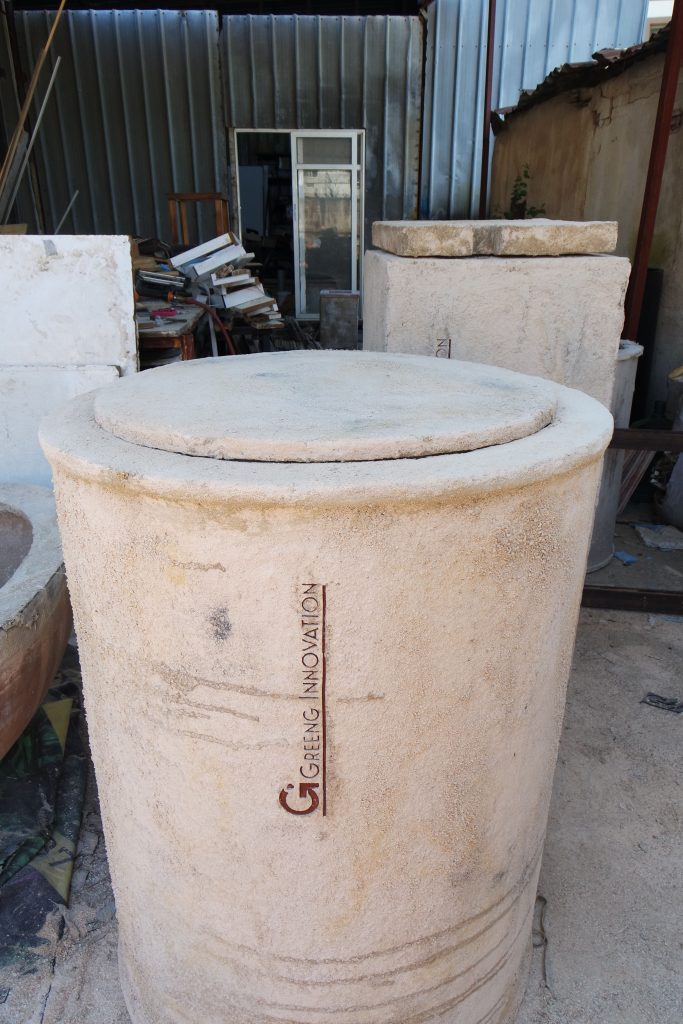

Double-layer, thermally insulated food preparation, fermentation and brine tanks manufactured using GreCer + GrePor + Recycled Polyester Fiber
The production method is a production method applied in layers, just like the CTP (glass reinforced polyester or synthetic resin + glass fiber application applied in layers) technique. The only difference is that instead of using synthetic resins in the production stages, a 100% ecological and sustainable raw material of clay and geopolymer origin, which we call GreCer, developed by our company, is used in the porous form of the GreCer material developed by our company for heat insulation, which we call GrePor, and fabrics of various technical specifications produced from recycled polyester fiber. is that it is used. Thanks to its thermal insulation, it keeps the temperature of the liquid stored in the tank stable for at least a day, even in extreme weather conditions. When necessary, constant temperature conditions can be achieved by adding a heater or cooler and thermostatic control.
Thanks to the heat resistance of the materials used, it has a usage range from very low temperatures (for example -40 degrees Celsius) to very high temperatures (+300-350 degrees Celsius).
It can be produced in the desired volume and in the desired form, vertical or horizontal.
For detailed application and material details, please click the link below.
https://greenginnovation.com/wp-content/uploads/2021/05/POL-TUR-PDF.pdf
Production story of a 100% ecological double-layer, thermally insulated food processing, fermentation, storage or clean drinking water tank made only from GreCer + GrePor + recycled polyester fiber fabric
Double-layer, thermally insulated food preparation, fermentation and brine tanks manufactured using GreCer + Rock Wool Plate + Recycled Polyester Fiber
The production method is a production method applied in layers, just like the CTP (glass reinforced polyester or synthetic resin + glass fiber application applied in layers) technique. The only difference is that instead of synthetic resins in the production stages, a 100% ecological and sustainable raw material of clay and geopolymer origin, which we call GreCer, developed by our company, Rock wool plate for heat insulation and fabrics of various technical specifications made of recycled polyester fiber are used. Thanks to its thermal insulation, it keeps the temperature of the liquid stored in the tank stable for at least a day, even in extreme weather conditions. When necessary, constant temperature conditions can be achieved by adding a heater or cooler and thermostatic control.
Thanks to the heat resistance of the materials used, it has a usage range from very low temperatures (for example -40 degrees Celsius) to very high temperatures (+200-250 degrees Celsius).
It can be produced in the desired volume and in the desired form, vertical or horizontal.
For detailed application and material details, please click the link below.
https://greenginnovation.com/wp-content/uploads/2021/05/POL-TUR-PDF.pdf
Double-layer, thermally insulated food preparation, fermentation and brine tanks manufactured using GreCer + Recycled Polyester Fiber + XPS Insulation Plate
The production method is a production method applied in layers, just like the CTP (glass reinforced polyester or synthetic resin + glass fiber application applied in layers) technique. The only difference is that instead of synthetic resins in the production stages, a 100% ecological and sustainable raw material of clay and geopolymer origin, which we call GreCer, developed by our company, XPS plate for heat insulation and fabrics of various technical specifications made of recycled polyester fiber are used. Thanks to its thermal insulation, it keeps the temperature of the liquid stored in the tank stable for at least a day, even in extreme weather conditions. When necessary, constant temperature conditions can be achieved by adding a heater or cooler and thermostatic control.
Thanks to the heat resistance of the materials used, it has a usage range from very low temperatures (for example -40 degrees Celsius) to very high temperatures (+70 degrees Celsius).
It can be produced in the desired volume and in the desired form, vertical or horizontal.
For detailed application and material details, please click the link below.
https://greenginnovation.com/wp-content/uploads/2021/05/POL-TUR-PDF.pdf
100% ecological clean drinking water tanks produced using GreCer + Jute Fiber Fabric + Fibercement Plate
The production method is a production method applied in layers, just like the CTP (glass reinforced polyester or synthetic resin + glass fiber application applied in layers) technique. The only difference is that instead of synthetic resins in the production stages, fabrics and Fibercement plates of various technical specifications and Fibercement plates made of clay and Geopolymer origin, a 100% ecological and sustainable raw material we call GreCer, and Jute fiber developed by our company are used.
It can be produced in the desired volume and in the desired form, vertical or horizontal.
For detailed application and material details, please click the link below.
https://greenginnovation.com/wp-content/uploads/2021/05/POL-TUR-PDF.pdf
100% ecological, double-layer, heat-insulated clean drinking water tanks produced using GreCer + GrePor + Jute Fiber Fabric + Fibercement Plate
The production method is a production method applied in layers, just like the CTP (glass reinforced polyester or synthetic resin + glass fiber application applied in layers) technique. The only difference is that instead of using synthetic resins in the production stages, a 100% ecological and sustainable raw material of clay and geopolymer origin developed by our company, which we call GreCer, is a porous form of the GreCer material developed by our company for heat insulation, which we call GrePor, produced from Fibercement plate and Jute fiber with various technical properties. is that the fabrics are used. Thanks to its thermal insulation, it keeps the temperature of the liquid stored in the tank stable for at least a day, even in extreme weather conditions. When necessary, constant temperature conditions can be achieved by adding a heater or cooler and thermostatic control.
Thanks to the heat resistance of the materials used, it has a usage range from very low temperatures (for example -40 degrees Celsius) to very high temperatures (+300-350 degrees Celsius).
It can be produced in the desired volume and in the desired form, vertical or horizontal.
For detailed application and material details, please click the link below.
https://greenginnovation.com/wp-content/uploads/2021/05/POL-TUR-PDF.pdf
Clean drinking water tanks produced using GreCer + Recycled Polyester Fiber + Fibercement Plate
The production method is a production method applied in layers, just like the CTP (glass reinforced polyester or synthetic resin + glass fiber application applied in layers) technique. The only difference is that instead of synthetic resins in the production stages, a 100% ecological and sustainable raw material of clay and geopolymer origin, which we call GreCer, developed by our company, fabrics of various technical specifications made of recycled polyester fiber and Fibercement plate are used. Thanks to its thermal insulation, it keeps the temperature of the liquid stored in the tank stable for at least a day, even in extreme weather conditions. When necessary, constant temperature conditions can be achieved by adding a heater or cooler and thermostatic control.
Thanks to the heat resistance of the materials used, it has a usage range from very low temperatures (for example -40 degrees Celsius) to very high temperatures (+200-250 degrees Celsius).
It can be produced in the desired volume and in the desired form, vertical or horizontal.
For detailed application and material details, please click the link below.
https://greenginnovation.com/wp-content/uploads/2021/05/POL-TUR-PDF.pdf
Double-layer, heat-insulated clean drinking water tanks produced using GreCer + GrePor + Recycled Polyester Fiber + Fibercement Plate
The production method is a production method applied in layers, just like the CTP (glass reinforced polyester or synthetic resin + glass fiber application applied in layers) technique. The only difference is that instead of synthetic resins in the production stages, a 100% ecological and sustainable raw material of clay and geopolymer origin developed by our company, which we call GreCer, is a porous form of the GreCer material developed by our company for heat insulation, which we call GrePor, and fabrics of various technical specifications produced from recycled polyester fiber are used. and Fibercement plates are used. Thanks to its thermal insulation, it keeps the temperature of the liquid stored in the tank stable for at least a day, even in extreme weather conditions. When necessary, constant temperature conditions can be achieved by adding a heater or cooler and thermostatic control.
Thanks to the heat resistance of the materials used, it has a usage range from very low temperatures (for example -40 degrees Celsius) to very high temperatures (+200-250 degrees Celsius).
It can be produced in the desired volume and in the desired form, vertical or horizontal.
For detailed application and material details, please click the link below.
https://greenginnovation.com/wp-content/uploads/2021/05/POL-TUR-PDF.pdf
Double-layer, heat-insulated clean drinking water tanks produced using GreCer + Rock Wool Plate + Recycled Polyester Fiber + Fibercement Plate
The production method is a production method applied in layers, just like the CTP (glass reinforced polyester or synthetic resin + glass fiber application applied in layers) technique. The only difference is that instead of synthetic resins in the production stages, a 100% ecological and sustainable raw material of clay and geopolymer origin, which we call GreCer, developed by our company, Rock wool plate for heat insulation, and Fabrics and Fibercement plates of various technical specifications made of recycled polyester fiber are used. Thanks to its thermal insulation, it keeps the temperature of the liquid stored in the tank stable for at least a day, even in extreme weather conditions. When necessary, constant temperature conditions can be achieved by adding a heater or cooler and thermostatic control.
Thanks to the heat resistance of the materials used, it has a usage range from very low temperatures (for example -40 degrees Celsius) to very high temperatures (+200-250 degrees Celsius).
It can be produced in the desired volume and in the desired form, vertical or horizontal.
For detailed application and material details, please click the link below.
https://greenginnovation.com/wp-content/uploads/2021/05/POL-TUR-PDF.pdf
Double-layer, heat-insulated clean drinking water tanks produced using GreCer + Recycled Polyester Fiber + XPS Insulation Plate + Fibercement Plate
The production method is a production method applied in layers, just like the CTP (glass reinforced polyester or synthetic resin + glass fiber application applied in layers) technique. The only difference is that instead of synthetic resins in the production stages, a 100% ecological and sustainable raw material of clay and geopolymer origin, which we call GreCer, developed by our company, XPS plate for heat insulation, fabrics of various technical specifications and Fibercement plates made of recycled polyester fiber are used. Thanks to its thermal insulation, it keeps the temperature of the liquid stored in the tank stable for at least a day, even in extreme weather conditions. When necessary, constant temperature conditions can be achieved by adding a heater or cooler and thermostatic control.
Thanks to the heat resistance of the materials used, it has a usage range from very low temperatures (for example -40 degrees Celsius) to very high temperatures (+70 degrees Celsius).
It can be produced in the desired volume and in the desired form, vertical or horizontal.
For detailed application and material details, please click the link below.
https://greenginnovation.com/wp-content/uploads/2021/05/POL-TUR-PDF.pdf
Food preparation, fermentation and brine tanks manufactured using GreCer + Recycled Polyester Fiber + Fibercement Plate
The production method is a production method applied in layers, just like the CTP (glass reinforced polyester or synthetic resin + glass fiber application applied in layers) technique. The only difference is that instead of synthetic resins in the production stages, fabrics of various technical specifications and Fibercement plates made of recycled polyester fiber, a 100% ecological and sustainable raw material developed by our company, which we call GreCer, originating from clay and geopolymer, are used. Thanks to its thermal insulation, it keeps the temperature of the liquid stored in the tank stable for at least a day, even in extreme weather conditions. When necessary, constant temperature conditions can be achieved by adding a heater or cooler and thermostatic control.
Thanks to the heat resistance of the materials used, it has a usage range from very low temperatures (for example -40 degrees Celsius) to very high temperatures (+200-250 degrees Celsius).
It can be produced in the desired volume and in the desired form, vertical or horizontal.
For detailed application and material details, please click the link below.
https://greenginnovation.com/wp-content/uploads/2021/05/POL-TUR-PDF.pdf
Double-layer, heat-insulated food preparation, fermentation and brine tanks produced using GreCer + GrePor + Recycled Polyester Fiber + Fibercement plate
The production method is a production method applied in layers, just like the CTP (glass reinforced polyester or synthetic resin + glass fiber application applied in layers) technique. The only difference is that instead of using synthetic resins in the production stages, a 100% ecological and sustainable raw material of clay and geopolymer origin, which we call GreCer, developed by our company, is used in the porous form of the GreCer material developed by our company for heat insulation, which we call GrePor, and fabrics of various technical specifications produced from recycled polyester fiber. and Fibercement plates are used. Thanks to its thermal insulation, it keeps the temperature of the liquid stored in the tank stable for at least a day, even in extreme weather conditions. When necessary, constant temperature conditions can be achieved by adding a heater or cooler and thermostatic control.
Thanks to the heat resistance of the materials used, it has a usage range from very low temperatures (for example -40 degrees Celsius) to very high temperatures (+200-250 degrees Celsius).
It can be produced in the desired volume and in the desired form, vertical or horizontal.
For detailed application and material details, please click the link below.
https://greenginnovation.com/wp-content/uploads/2021/05/POL-TUR-PDF.pdf
Double-layer, heat-insulated food preparation, fermentation and brine tanks produced using GreCer + Rock Wool Plate + Recycled Polyester Fiber + Fibercement Plate
The production method is a production method applied in layers, just like the CTP (glass reinforced polyester or synthetic resin + glass fiber application applied in layers) technique. The only difference is that instead of synthetic resins in the production stages, a 100% ecological and sustainable raw material of clay and geopolymer origin, which we call GreCer, developed by our company, fabrics of various technical specifications and Fibercement plates made of thermal insulation Rock wool plate and Recycled polyester fiber are used. Thanks to its thermal insulation, it keeps the temperature of the liquid stored in the tank stable for at least a day, even in extreme weather conditions. When necessary, constant temperature conditions can be achieved by adding a heater or cooler and thermostatic control.
Thanks to the heat resistance of the materials used, it has a usage range from very low temperatures (for example -40 degrees Celsius) to very high temperatures (+200-250 degrees Celsius).
It can be produced in the desired volume and in the desired form, vertical or horizontal.
For detailed application and material details, please click the link below.
https://greenginnovation.com/wp-content/uploads/2021/05/POL-TUR-PDF.pdf
Double-layer, heat-insulated food preparation, fermentation and brine tanks manufactured using GreCer + Recycled Polyester Fiber + Fibercement Plate + XPS Insulation Plate
The production method is a production method applied in layers, just like the CTP (glass reinforced polyester or synthetic resin + glass fiber application applied in layers) technique. The only difference is that instead of synthetic resins in the production stages, a 100% ecological and sustainable raw material of clay and geopolymer origin, which we call GreCer, developed by our company, XPS plate for heat insulation, fabrics of various technical specifications and Fibercement plates made of recycled polyester fiber are used. Thanks to its thermal insulation, it keeps the temperature of the liquid stored in the tank stable for at least a day, even in extreme weather conditions. When necessary, constant temperature conditions can be achieved by adding a heater or cooler and thermostatic control.
Thanks to the heat resistance of the materials used, it has a usage range from very low temperatures (for example -40 degrees Celsius) to very high temperatures (+70 degrees Celsius).
It can be produced in the desired volume and in the desired form, vertical or horizontal.
For detailed application and material details, please click the link below.
https://greenginnovation.com/wp-content/uploads/2021/05/POL-TUR-PDF.pdf
100% ecological underground clean drinking water, domestic water or general purpose liquid tanks produced using GreCer + Jute Fiber Fabric + Fibercement Plate
The production method is a production method applied in layers, just like the CTP (glass reinforced polyester or synthetic resin + glass fiber application applied in layers) technique. The only difference is that instead of synthetic resins in the production stages, fabrics and Fibercement plates of various technical specifications and Fibercement plates produced from clay and Geopolymer origin, a 100% ecological and sustainable raw material we call GreCer, and Jute fiber developed by our company are used.
It can be produced in the desired volume and in the desired form, vertical or horizontal.
For detailed application and material details, please click the link below.
https://greenginnovation.com/wp-content/uploads/2021/05/POL-TUR-PDF.pdf
100% ecological, double-layered, heat-insulated underground clean drinking water, domestic water or general purpose liquid tanks produced using GreCer + GrePor + Jute Fiber Fabric + Fibercement Plate
The production method is a production method applied in layers, just like the CTP (glass reinforced polyester or synthetic resin + glass fiber application applied in layers) technique. The only difference is that instead of using synthetic resins in the production stages, a 100% ecological and sustainable raw material of clay and geopolymer origin developed by our company, which we call GreCer, is used in the porous form of the GreCer material developed by our company for heat insulation, which we call GrePor, and fabrics of various technical specifications made of Jute fiber and Fibercement. is that the plates are used. Thanks to its thermal insulation, it keeps the temperature of the liquid stored in the tank stable for at least a day, even in extreme weather conditions. When necessary, constant temperature conditions can be achieved by adding a heater or cooler and thermostatic control.
Thanks to the heat resistance of the materials used, it has a usage range from very low temperatures (for example -40 degrees Celsius) to very high temperatures (+300-350 degrees Celsius).
It can be produced in the desired volume and in the desired form, vertical or horizontal.
For detailed application and material details, please click the link below.
https://greenginnovation.com/wp-content/uploads/2021/05/POL-TUR-PDF.pdf
Underground clean drinking water, domestic water or general purpose liquid tanks produced using GreCer + Recycled Polyester Fiber + Fibercement Plate
The production method is a production method applied in layers, just like the CTP (glass reinforced polyester or synthetic resin + glass fiber application applied in layers) technique. The only difference is that instead of synthetic resins in the production stages, fabrics of various technical specifications and Fibercement plates made of recycled polyester fiber, a 100% ecological and sustainable raw material developed by our company, which we call GreCer, originating from clay and geopolymer, are used. Thanks to its thermal insulation, it keeps the temperature of the liquid stored in the tank stable for at least a day, even in extreme weather conditions. When necessary, constant temperature conditions can be achieved by adding a heater or cooler and thermostatic control.
Thanks to the heat resistance of the materials used, it has a usage range from very low temperatures (for example -40 degrees Celsius) to very high temperatures (+200-250 degrees Celsius).
It can be produced in the desired volume and in the desired form, vertical or horizontal.
For detailed application and material details, please click the link below.
https://greenginnovation.com/wp-content/uploads/2021/05/POL-TUR-PDF.pdf
Clean drinking water tanks produced using GreCer + Recycled Polyester Fiber + Fibercement Plate
The production method is a production method applied in layers, just like the CTP (glass reinforced polyester or synthetic resin + glass fiber application applied in layers) technique. The only difference is that instead of synthetic resins in the production stages, a 100% ecological and sustainable raw material of clay and geopolymer origin, which we call GreCer, developed by our company, fabrics of various technical specifications made of recycled polyester fiber and Fibercement plate are used. Thanks to its thermal insulation, it keeps the temperature of the liquid stored in the tank stable for at least a day, even in extreme weather conditions. When necessary, constant temperature conditions can be achieved by adding a heater or cooler and thermostatic control.
Thanks to the heat resistance of the materials used, it has a usage range from very low temperatures (for example -40 degrees Celsius) to very high temperatures (+200-250 degrees Celsius).
It can be produced in the desired volume and in the desired form, vertical or horizontal.
For detailed application and material details, please click the link below.
https://greenginnovation.com/wp-content/uploads/2021/05/POL-TUR-PDF.pdf
Double-layer, heat-insulated clean drinking water tanks produced using GreCer + GrePor + Recycled Polyester Fiber + Fibercement Plate
The production method is a production method applied in layers, just like the CTP (glass reinforced polyester or synthetic resin + glass fiber application applied in layers) technique. The only difference is that instead of synthetic resins in the production stages, a 100% ecological and sustainable raw material of clay and geopolymer origin developed by our company, which we call GreCer, is a porous form of the GreCer material developed by our company for heat insulation, which we call GrePor, and fabrics of various technical specifications produced from recycled polyester fiber are used. and Fibercement plates are used. Thanks to its thermal insulation, it keeps the temperature of the liquid stored in the tank stable for at least a day, even in extreme weather conditions. When necessary, constant temperature conditions can be achieved by adding a heater or cooler and thermostatic control.
Thanks to the heat resistance of the materials used, it has a usage range from very low temperatures (for example -40 degrees Celsius) to very high temperatures (+200-250 degrees Celsius).
It can be produced in the desired volume and in the desired form, vertical or horizontal.
For detailed application and material details, please click the link below.
https://greenginnovation.com/wp-content/uploads/2021/05/POL-TUR-PDF.pdf
Double-layer, heat-insulated clean drinking water tanks produced using GreCer + Rock Wool Plate + Recycled Polyester Fiber + Fibercement Plate
The production method is a production method applied in layers, just like the CTP (glass reinforced polyester or synthetic resin + glass fiber application applied in layers) technique. The only difference is that instead of synthetic resins in the production stages, a 100% ecological and sustainable raw material of clay and geopolymer origin, which we call GreCer, developed by our company, Rock wool plate for heat insulation, and Fabrics and Fibercement plates of various technical specifications made of recycled polyester fiber are used. Thanks to its thermal insulation, it keeps the temperature of the liquid stored in the tank stable for at least a day, even in extreme weather conditions. When necessary, constant temperature conditions can be achieved by adding a heater or cooler and thermostatic control.
Thanks to the heat resistance of the materials used, it has a usage range from very low temperatures (for example -40 degrees Celsius) to very high temperatures (+200-250 degrees Celsius).
It can be produced in the desired volume and in the desired form, vertical or horizontal.
For detailed application and material details, please click the link below.
https://greenginnovation.com/wp-content/uploads/2021/05/POL-TUR-PDF.pdf
Double-layered, thermally insulated underground clean drinking water, domestic water or general purpose liquid tanks produced using GreCer + GrePor + Recycled Polyester Fiber + Fibercement Plate
The production method is a production method applied in layers, just like the CTP (glass reinforced polyester or synthetic resin + glass fiber application applied in layers) technique. The only difference is that instead of using synthetic resins in the production stages, a 100% ecological and sustainable raw material of clay and geopolymer origin, which we call GreCer, developed by our company, is used in the porous form of the GreCer material developed by our company for heat insulation, which we call GrePor, and fabrics of various technical specifications produced from recycled polyester fiber. and Fibercement plates are used. Thanks to its thermal insulation, it keeps the temperature of the liquid stored in the tank stable for at least a day, even in extreme weather conditions. When necessary, constant temperature conditions can be achieved by adding a heater or cooler and thermostatic control.
Thanks to the heat resistance of the materials used, it has a usage range from very low temperatures (for example -40 degrees Celsius) to very high temperatures (+200-250 degrees Celsius).
It can be produced in the desired volume and in the desired form, vertical or horizontal.
For detailed application and material details, please click the link below.
https://greenginnovation.com/wp-content/uploads/2021/05/POL-TUR-PDF.pdf
Double-layered, thermally insulated underground clean drinking water, domestic water or general purpose liquid tanks produced using GreCer + Rock Wool Plate + Recycled Polyester Fiber + Fibercement Plate
The production method is a production method applied in layers, just like the CTP (glass reinforced polyester or synthetic resin + glass fiber application applied in layers) technique. The only difference is that instead of synthetic resins in the production stages, a 100% ecological and sustainable raw material of clay and geopolymer origin, which we call GreCer, developed by our company, Rock wool plate for heat insulation, and Fabrics and Fibercement plates of various technical specifications made of recycled polyester fiber are used. Thanks to its thermal insulation, it keeps the temperature of the liquid stored in the tank stable for at least a day, even in extreme weather conditions. When necessary, constant temperature conditions can be achieved by adding a heater or cooler and thermostatic control.
Thanks to the heat resistance of the materials used, it has a usage range from very low temperatures (for example -40 degrees Celsius) to very high temperatures (+200-250 degrees Celsius).
It can be produced in the desired volume and in the desired form, vertical or horizontal.
For detailed application and material details, please click the link below.
https://greenginnovation.com/wp-content/uploads/2021/05/POL-TUR-PDF.pdf
Double-layered, thermally insulated underground clean drinking water, domestic water or general purpose liquid tanks produced using GreCer + Recycled Polyester Fiber + XPS insulation plate + Fibercement Plate
The production method is a production method applied in layers, just like the CTP (glass reinforced polyester or synthetic resin + glass fiber application applied in layers) technique. The only difference is that instead of synthetic resins in the production stages, a 100% ecological and sustainable raw material of clay and geopolymer origin, which we call GreCer, developed by our company, XPS plate for heat insulation, fabrics of various technical specifications and Fibercement plates made of recycled polyester fiber are used. Thanks to its thermal insulation, it keeps the temperature of the liquid stored in the tank stable for at least a day, even in extreme weather conditions. When necessary, constant temperature conditions can be achieved by adding a heater or cooler and thermostatic control.
Thanks to the heat resistance of the materials used, it has a usage range from very low temperatures (for example -40 degrees Celsius) to very high temperatures (+70 degrees Celsius).
It can be produced in the desired volume and in the desired form, vertical or horizontal.
For detailed application and material details, please click the link below.
https://greenginnovation.com/wp-content/uploads/2021/05/POL-TUR-PDF.pdf
100% ecological and atmospheric-free fermentation and storage tanks produced using only GreCer + Jute Fiber Fabric + Glass Plate
The production method is a production method applied in layers, just like the CTP (glass reinforced polyester or synthetic resin + glass fiber application applied in layers) technique. The only difference is that instead of synthetic resins in the production stages, fabrics and glass plates of various technical specifications and glass plates made of clay and geopolymer origin, a 100% ecological and sustainable raw material we call GreCer, and Jute fiber developed by our company are used.
For detailed application and material details, please click the link below.
https://greenginnovation.com/wp-content/uploads/2021/05/POL-TUR-PDF.pdf
100% ecological and atmospheric-free fermentation and storage tanks produced using only GreCer + GrePor + Jute Fiber Fabric + Glass Plate
The production method is a production method applied in layers, just like the CTP (glass reinforced polyester or synthetic resin + glass fiber application applied in layers) technique. The only difference is that instead of synthetic resins in the production stages, we use a 100% ecological and sustainable raw material of clay and geopolymer origin, which we call GreCer, developed by our company, and the porous form of the GreCer material developed by our company for heat insulation, which we call GrePor, and fabrics of various technical specifications made of jute fiber and glass. is that the plates are used. Thanks to its thermal insulation, it keeps the temperature of the liquid stored in the tank stable for at least a day, even in extreme weather conditions. When necessary, constant temperature conditions can be achieved by adding a heater or cooler and thermostatic control.
Thanks to the heat resistance of the materials used, it has a usage range from very low temperatures (for example -40 degrees Celsius) to very high temperatures (+200 degrees Celsius).
For detailed application and material details, please click the link below.
https://greenginnovation.com/wp-content/uploads/2021/05/POL-TUR-PDF.pdf
Fermentation and storage tanks produced using GreCer + Recycled Polyester Fiber + Glass Plate and free from atmospheric conditions
The production method is a production method applied in layers, just like the CTP (glass reinforced polyester or synthetic resin + glass fiber application applied in layers) technique. The only difference is that instead of synthetic resins in the production stages, a 100% ecological and sustainable raw material of clay and geopolymer origin, which we call GreCer, developed by our company, fabrics of various technical specifications and glass plates produced from recycled polyester fiber are used. Thanks to the heat resistance of the materials used, it has a usage range from very low temperatures to very high temperatures (+200 degrees Celsius).
For detailed application and material details, please click the link below.
https://greenginnovation.com/wp-content/uploads/2021/05/POL-TUR-PDF.pdf
Double-layered, thermally insulated fermentation and storage tanks produced using GreCer + GrePor + Recycled Polyester Fiber + Glass Plate, free from atmospheric conditions.
The production method is a production method applied in layers, just like the CTP (glass reinforced polyester or synthetic resin + glass fiber application applied in layers) technique. The only difference is that instead of using synthetic resins in the production stages, a 100% ecological and sustainable raw material of clay and geopolymer origin, which we call GreCer, developed by our company, is used in the porous form of the GreCer material developed by our company for heat insulation, which we call GrePor, and fabrics of various technical specifications produced from recycled polyester fiber. and Glass plates are used. Thanks to its thermal insulation, it keeps the temperature of the liquid stored in the tank stable for at least a day, even in extreme weather conditions. When necessary, constant temperature conditions can be achieved by adding a heater or cooler and thermostatic control.
Thanks to the heat resistance of the materials used, it has a usage range from very low temperatures to very high temperatures (+200 degrees Celsius).
For detailed application and material details, please click the link below.
https://greenginnovation.com/wp-content/uploads/2021/05/POL-TUR-PDF.pdf
Double-layered, thermally insulated fermentation and storage tanks produced using GreCer + Rock Wool Plate + Recycled Polyester Fiber + Glass Plate and free from atmospheric conditions.
The production method is a production method applied in layers, just like the CTP (glass reinforced polyester or synthetic resin + glass fiber application applied in layers) technique. The only difference is that instead of synthetic resins in the production stages, a 100% ecological and sustainable raw material of clay and geopolymer origin, which we call GreCer, developed by our company, Rock wool insulation plate and fabrics of various technical specifications and Glass plates produced from recycled polyester fiber are used. Thanks to its thermal insulation, it keeps the temperature of the liquid stored in the tank stable for at least a day, even in extreme weather conditions. When necessary, constant temperature conditions can be achieved by adding a heater or cooler and thermostatic control.
Thanks to the heat resistance of the materials used, it has a usage range from very low temperatures (for example -40 degrees Celsius) to very high temperatures (+200 degrees Celsius).
For detailed application and material details, please click the link below.
https://greenginnovation.com/wp-content/uploads/2021/05/POL-TUR-PDF.pdf
Double-layered, thermally insulated fermentation and storage tanks produced using GreCer + Recycled Polyester Fiber + Glass Plate + XPS Thermal Insulation Plate and free from atmospheric conditions.
The production method is a production method applied in layers, just like the CTP (glass reinforced polyester or synthetic resin + glass fiber application applied in layers) technique. The only difference is that instead of synthetic resins in the production stages, a 100% ecological and sustainable raw material of clay and geopolymer origin, which we call GreCer, developed by our company, XPS heat insulation plate for heat insulation, and fabrics and glass plates with various technical specifications made of recycled polyester fiber are used. Thanks to its thermal insulation, it keeps the temperature of the liquid stored in the tank stable for at least a day, even in extreme weather conditions. When necessary, constant temperature conditions can be achieved by adding a heater or cooler and thermostatic control.
Thanks to the heat resistance of the materials used, it has a usage range from very low temperatures (for example -40 degrees Celsius) to very high temperatures (+70 degrees Celsius).
For detailed application and material details, please click the link below.
https://greenginnovation.com/wp-content/uploads/2021/05/POL-TUR-PDF.pdf