
GREENG INNOVATION COMPOSITE MATERIALS
While doing our work, we combine, mix, laminate and layer materials with very different properties, in accordance with the nature of our work.
We realized that some of the materials resulting from these processes have very interesting properties that we have not seen or known before.
When we scanned the resources on materials science on this subject, we found the answers we were looking for under the title “COMPOSITE MATERIALS”.
Briefly;
Composite material (also called composition material) is a general name given to materials made from two or more component materials with significantly different physical or chemical properties, which when combined become a material with properties different from the previous one.
To explain it in a little more detail;
A new material formed by combining at least two different materials in macro dimensions is called a composite material. The aim of composite production is to add new properties to materials that are not suitable on their own and cannot dissolve in each other, in order to make them suitable for their areas of use. (Strength, lightness, flexibility, cost, etc.)
Composite materials form their main structure from two components.
- Matrix Material (Polymer, metal and metal alloy, ceramic based materials)
- Reinforcement Material (Steel, carbide, aramid, nylon, etc.)
Composites generally get their strength from hard and brittle reinforcement materials. Matrix materials provide toughness and ductility to the composite. The task of holding the materials together is also in the matrix material.
Composite material has a wide range of usage areas due to both its high strength and lightness.
When we examined the products in the global composite market, we saw that some composite materials were very rare and had very high prices.
The main factors that determine the desired and high price can be listed as durability, flexibility and A1 class fireproofing. If we add lightness to these features, unfortunately we can use the concept of “NONE” for the material with this feature that users are looking for.
At this point, examples and applications of some of the work we have done come to the fore, and we can easily say that our material can revolutionize this field if the necessary advanced studies are carried out.
We do not make this claim casually or to unduly praise the material. Our works, the images of which you have seen on our site (and those you have not seen yet), are the material we use, especially in ecological water tanks, and which we have finalized with a long-term study, is a “FLEXIBLE, VERY DURABLE AND STURDY, LIGHTWEIGHT, CLASS A1 FIREPROOF” COMPOSITE material.
Based on these studies and carrying out a detailed scientific study, it can be easily said that very successful results can be achieved in a very short time.
Below you can review the results and images of our preliminary studies on this subject.
WORKS MADE FROM 100% ECOLOGICAL AND NATURAL MATERIALS
Composite materials created using fabrics of various properties made of GreCer + Jute fiber

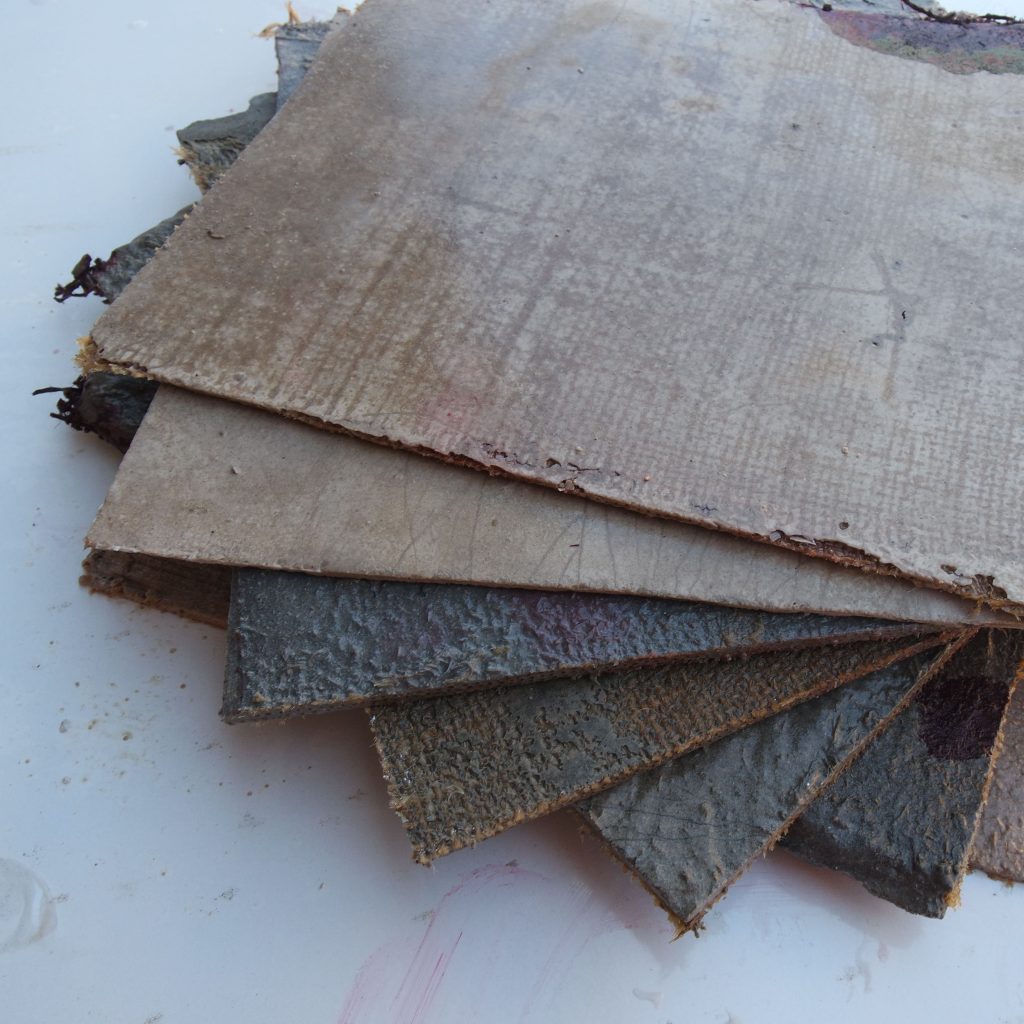
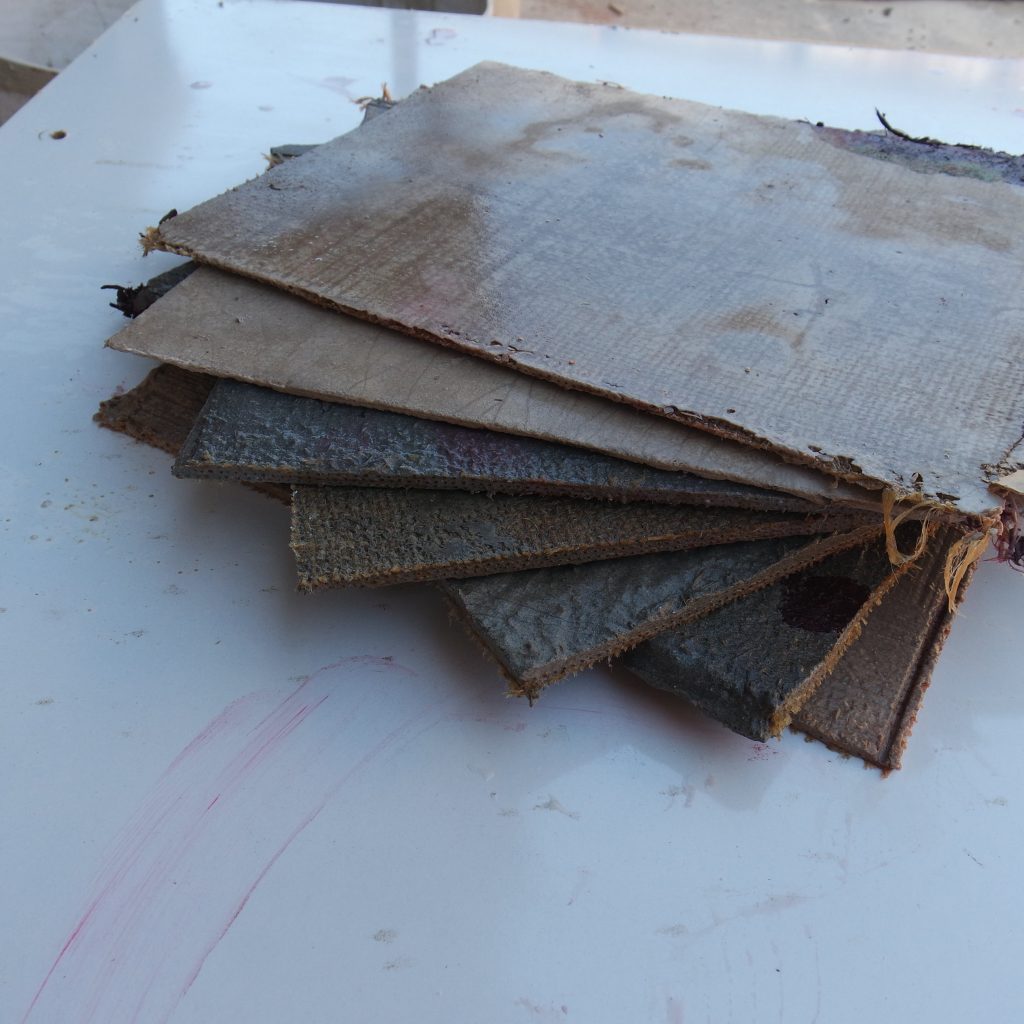
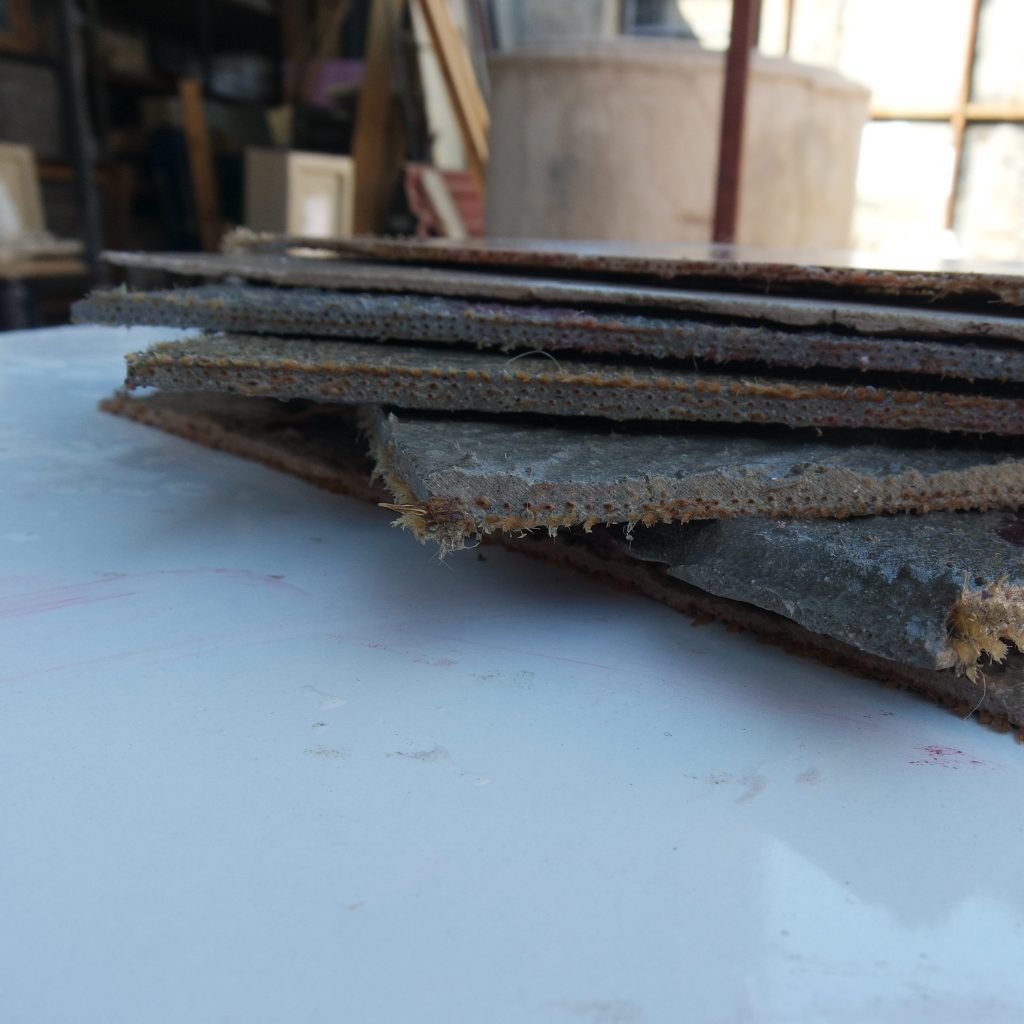
In this study, jute fabrics of various weights and properties and GreCer were used, and a highly capable composite material was produced that is not affected by water and all kinds of climatic conditions, is flexible, extremely durable, can be shaped and colored as desired, and can be combined with other standard materials during production.
It is understood that in this category, fabrics produced from Hemp, Palm, Bamboo (Modal) or similar plant fibers, fabrics produced from other natural fibers such as Silk, Sheep wool, Mohair, Alpaca wool or their fiber forms can be used.
GreCer + Fabrics with various properties made of glass fiber, composite materials created using chopped form or fiber form

In this study, various fabrics made of glass fiber in various weights and properties, in chopped form or fiber form and GreCer were used, which are not affected by water and all kinds of climatic conditions, flexible, extremely durable, can be shaped and colored as desired, and can be combined with other standard materials during production. A highly capable composite material that can be produced has been produced.
GreCer + Composite materials created using fabrics of various properties made from recycled polyester fibers


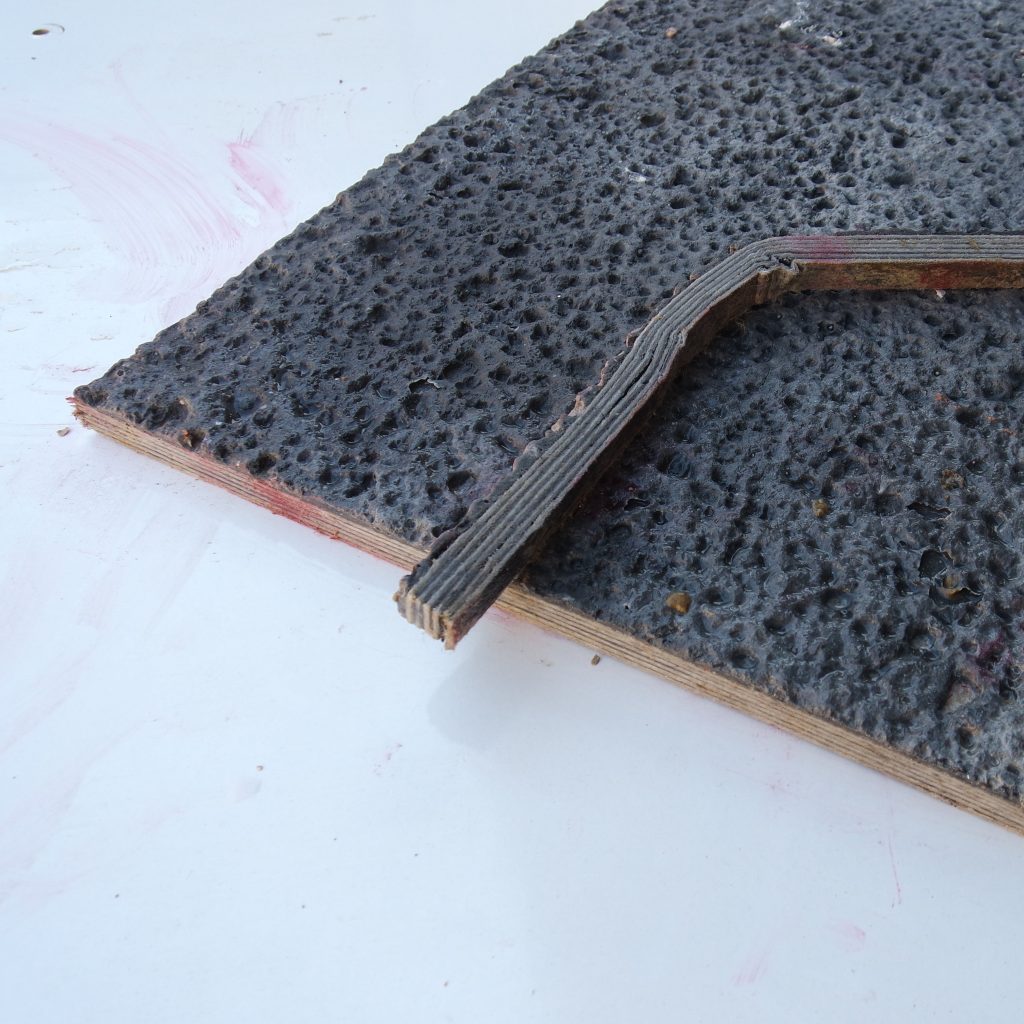
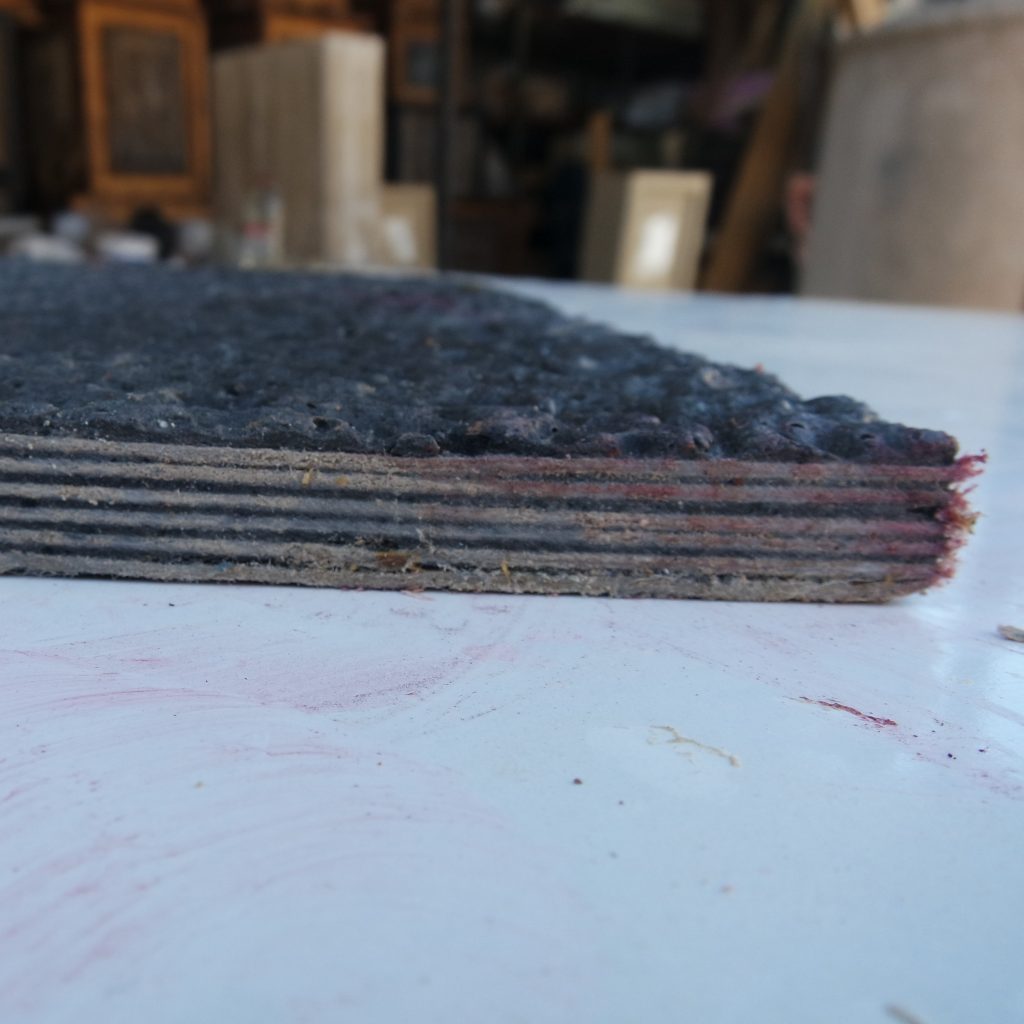
In this study, recycled polyester fabrics and GreCer of various weights and properties were used, and a highly capable composite material was produced that is not affected by water and all kinds of climatic conditions, is flexible, extremely durable, can be shaped and colored as desired, and can be combined with other standard materials during production. We successfully use this developed material in many products that we commercialize.
In this category, it is thought that industrial fibers such as Nylon, Acrylic, Polypropylene and their fabric forms, specifically Carbon and derivative trade names and fabrics produced from Aramid, Kevlar, Tvaron fibers or their fiber forms can be used and interesting results can be obtained.
Our products produced with Greeng innovation composites


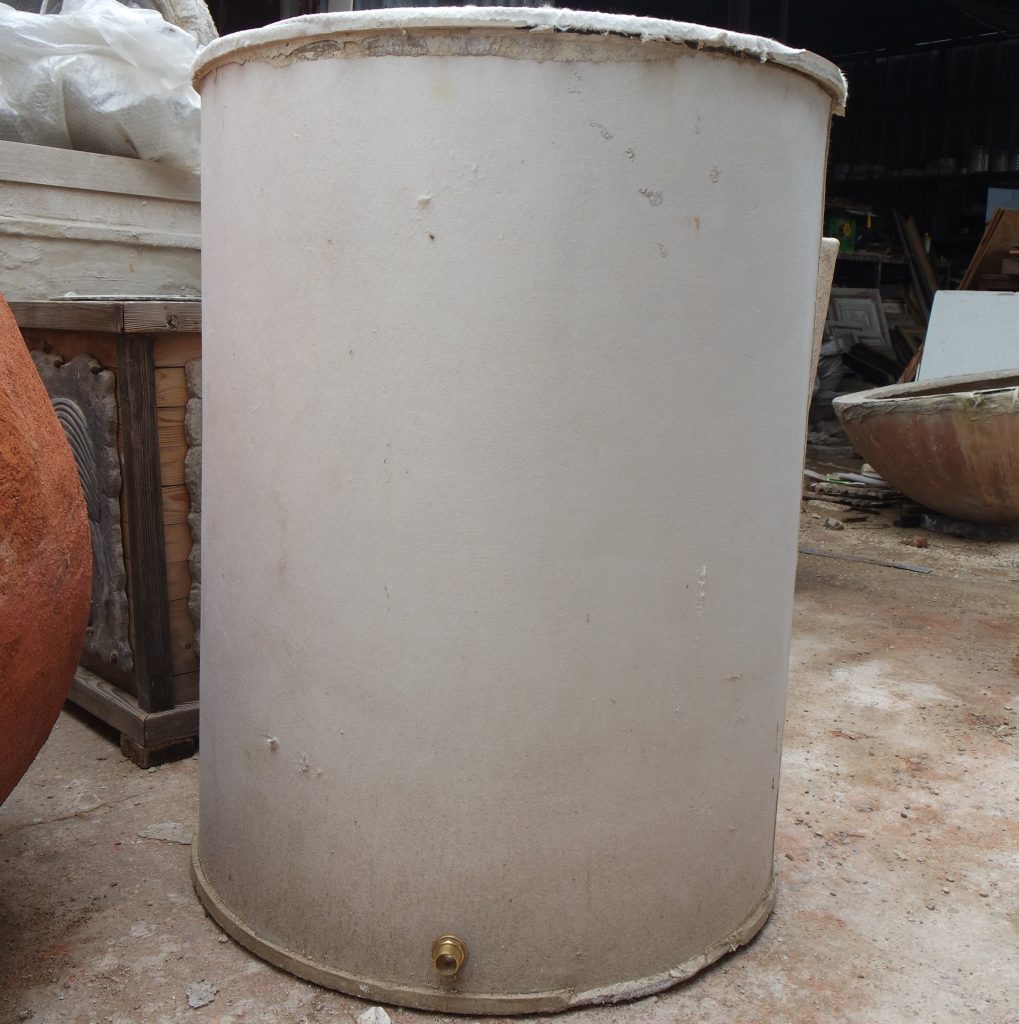
Considering its economy and physical properties, we can already say that the work to be done with “polypropylene fiber and fabrics” made from this fiber will have very attractive results.